
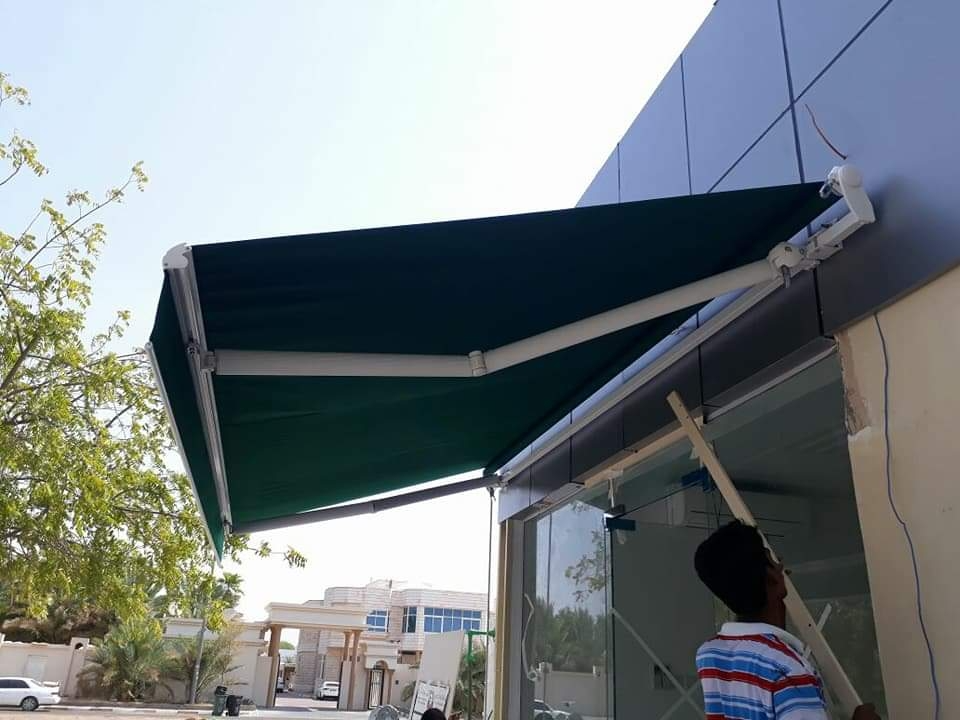
Dubai’s climate is a study in extremes. For roughly eight months of the year, temperatures climb well past 40°C, sunlight is relentless, and shade becomes less of a luxury and more of a necessity. Whether you run a café on Jumeirah Beach Road, manage a villa in Arabian Ranches, or oversee a commercial plaza in Business Bay, the right shading solution can transform an unusable outdoor space into a functional, comfortable one. This is exactly why demand for awning suppliers in Dubai has grown so steadily across the emirate, and why choosing between the two most popular options — fixed and retractable awnings — is one of the first decisions any property owner faces.
If you’ve started researching awning suppliers in Dubai, you’ve probably noticed that almost every company offers both fixed and retractable systems, often in a dozen fabric colors and frame finishes. That choice is great, but it can be overwhelming without understanding the fundamental differences between the two. This guide covers everything you need — structure, cost, maintenance, and ideal use cases — so you can decide with confidence.
Why Awnings Matter So Much in Dubai
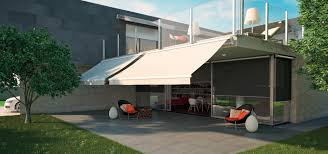
Before comparing fixed and retractable designs, it’s worth understanding why awnings are practically standard equipment for outdoor spaces in the UAE. Direct sun exposure in Dubai isn’t just uncomfortable; it accelerates the fading of outdoor furniture, raises indoor cooling costs by heating up windows and walls, and can make terraces, balconies, and courtyards unusable for large parts of the day. A well-designed awning blocks up to 90–95% of UV radiation, drops surface temperatures underneath by several degrees, and extends the hours your outdoor area is actually enjoyable.
Reputable awning suppliers in Dubai also account for local conditions — high wind loads during shamal storms, intense UV degradation of fabrics, and the need for corrosion-resistant frames given the coastal humidity. This is why sourcing from an experienced local supplier, rather than importing a generic product, tends to produce far better long-term results.
What Is a Fixed Awning?
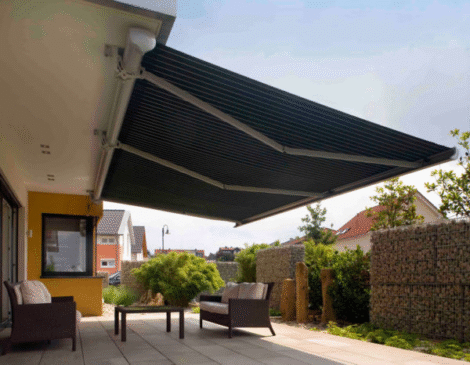
A fixed awning, sometimes called a stationary or permanent awning, is a shading structure installed in one set position that does not open, close, or retract. It typically consists of a rigid or semi-rigid frame — often aluminum or galvanized steel — covered with durable fabric, polycarbonate, or metal sheeting. Once mounted, it stays in place year-round, providing constant shade regardless of weather or time of day.
Fixed awnings are commonly used for shop fronts, restaurant entrances, walkways, car park shading, and window canopies across Dubai. Because the structure doesn’t move, it can be engineered to withstand higher wind loads and heavier rain, making it popular for exposed, high-traffic commercial locations.
Advantages of Fixed Awnings
Durability and structural strength
Fixed frames are built for permanence, using heavier-duty materials that handle Dubai’s occasional sandstorms and strong winds without needing manual retraction for protection.
Lower long-term maintenance
With no motors or folding mechanisms, there’s simply less that can go wrong — upkeep is usually limited to periodic cleaning and occasional fabric replacement.
Consistent shade coverage
Because the awning never retracts, the shade is always there, with no risk of forgetting to extend it before the sun peaks.
Cost-effective for large installations
For storefronts, walkways, or parking areas, fixed awnings are often more economical per square meter than retractable systems.
Drawbacks of Fixed Awnings
The obvious trade-off is flexibility. A fixed awning cannot be retracted during a storm to reduce wind load, nor opened up for sunlight during Dubai’s brief, pleasant winter months. It also permanently alters the façade or outdoor area, which may not suit every architectural style or landlord approval process.
What Is a Retractable Awning?\
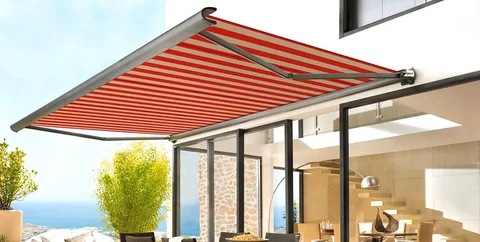
A retractable awning is a shading system designed to extend and retract on demand, either manually with a hand crank or automatically via a motor, often controlled by a remote, wall switch, or smart home app. Many modern retractable systems also come with wind and sun sensors that automatically retract the awning when gusts exceed a safe threshold, protecting the fabric and frame from damage.
These systems are especially popular for villa terraces, private pools, rooftop lounges, and restaurant patios across Dubai, where property owners want the flexibility to open up their outdoor space on cooler evenings and shade it during peak sun hours.
Advantages of Retractable Awnings
Flexibility and control
You decide when to have shade and when to enjoy open sky, particularly valuable during Dubai’s cooler months between November and March.
Storm protection
Because the awning can be retracted, it isn’t left exposed to high winds the way a fixed structure is, extending the lifespan of the fabric.
Light management
Retractable awnings let you regulate natural light indoors, reducing reliance on artificial lighting while still blocking heat when needed.
Aesthetic versatility
Many retractable systems have a sleeker, more minimal profile when closed, preferred by some homeowners and designers for modern villa exteriors.
Drawbacks of Retractable Awnings
Retractable systems, especially motorized ones, involve more moving parts — motors, gears, and tracks — meaning more potential points of failure and higher long-term maintenance costs. They’re generally more expensive upfront than a comparable fixed awning, and manual units require someone to physically operate them, which can be inconvenient for larger installations.
Fixed vs Retractable Awnings: A Side-by-Side Comparison
When property owners in Dubai ask local awning suppliers which option is “better,” the honest answer is that it depends entirely on the application. Here’s how the two compare across the factors that matter most.
Cost:
Fixed awnings are typically less expensive to purchase and install, particularly for large-scale commercial coverage. Retractable awnings, especially motorized versions with sensors, carry a higher upfront investment.
Maintenance:
Fixed structures require minimal upkeep beyond cleaning, while retractable awnings need periodic motor servicing, track lubrication, and occasional sensor calibration.
Wind resistance:
A well-engineered fixed awning can be built to withstand strong, sustained winds since it doesn’t need to fold. A retractable awning, when properly retracted before a storm, avoids wind damage altogether — but only if it’s retracted in time or has automatic wind sensors.
Flexibility:
Retractable awnings win decisively here, offering the ability to switch between full shade and open sky as needed.
Best suited for:
Fixed awnings suit storefronts, walkways, permanent car shading, and commercial entrances. Retractable awnings suit villa terraces, pool decks, and restaurant patios where usage patterns change throughout the day and across seasons.
Materials Used by Awning Suppliers in Dubai
Regardless of which type you choose, material selection matters enormously in the UAE’s climate. Most reputable suppliers provide UV-resistant acrylic and PVC-coated polyester fabrics, rust-resistant aluminum frames, and durable polycarbonate sheets. These materials offer water, mold, UV, and impact resistance, making them suitable for Dubai’s harsh weather conditions.
A good supplier will walk you through fabric warranties (often 5–10 years against fading) and frame coatings rated specifically for UAE weather, rather than generic specifications imported without local testing.
How to Choose the Right Awning Supplier in Dubai
With dozens of companies offering awning installation across the city, a few criteria separate reliable suppliers from the rest:
- local manufacturing or fabrication experience, since suppliers who fabricate locally understand UAE wind-load requirements and climate-specific material needs far better than those reselling imported catalog products;
- a portfolio of completed projects similar in scale to yours, since a villa-terrace specialist may lack the structural experience needed for a large commercial canopy;
- solid warranty and after-sales service, especially for motorized retractable systems that need ongoing servicing and spare parts;
- guidance on Dubai Municipality compliance, since awnings attached to shared façades or extending over public walkways often require approval;
- and transparent, itemized quotes that break down framing, fabric, motorization, and installation costs rather than a single vague lump sum.
Making the Final Decision
If your priority is a permanent, low-maintenance shading solution for a commercial storefront, walkway, or car park, a fixed awning is likely the more practical and cost-effective choice. If you want flexibility to enjoy open sky during Dubai’s pleasant winter evenings while still having reliable shade in summer, a retractable system — ideally one with wind sensors — offers far more day-to-day control.
Many properties use both: fixed awnings over entrances and walkways where consistent coverage matters most, and retractable systems over terraces, pools, and lounges where flexibility adds real value. A good Dubai-based supplier will assess your space, sun exposure, wind conditions, and usage pattern before recommending one system over the other, and should explain the trade-offs honestly rather than simply upselling the pricier option.
Whichever direction you choose, investing in quality materials and professional installation pays off. In a climate as demanding as Dubai’s, a well-built awning — fixed or retractable — isn’t just an aesthetic upgrade; it’s a functional necessity that protects your property, reduces cooling costs, and makes outdoor living genuinely enjoyable year-round.
Frequently Asked Questions
1. Which lasts longer in Dubai’s climate — fixed or retractable awnings?
Fixed awnings generally last longer structurally since they have no motors or moving parts to wear out, provided the frame and fabric are UV- and corrosion-resistant. However, retractable awnings that are properly retracted during storms often see less fabric wear over time, since they aren’t constantly exposed to sun and wind. With good maintenance, both types typically last 8–15 years.
2. Are retractable awnings worth the extra cost in Dubai?
For residential terraces, pools, and outdoor dining areas, most homeowners find the flexibility worthwhile, since it allows shade control based on the time of day and season. For commercial storefronts needing constant coverage, a fixed awning often delivers better value.
3. Do I need approval from Dubai Municipality to install an awning?
In many cases, yes — particularly for structures on shared building façades, those extending over public walkways, or large commercial installations. A reputable local awning supplier will typically handle or guide you through the necessary approvals as part of the installation process.
4. What is the average cost of awning installation in Dubai?
Costs vary widely based on size, material, and whether the system is manual or motorized. But fixed awnings for small storefronts or balconies typically start at a lower price point than motorized retractable systems of comparable size. It’s best to request itemized quotes from two or three suppliers to compare fairly.
5. Can retractable awnings withstand Dubai’s strong winds and sandstorms?
Most quality retractable awnings include manual or automatic wind sensors that retract the fabric. When winds exceed a safe threshold, protecting the system from damage. However, during severe shamal winds or sandstorms, it’s advisable to retract the awning manually as a precaution, even with sensors installed.